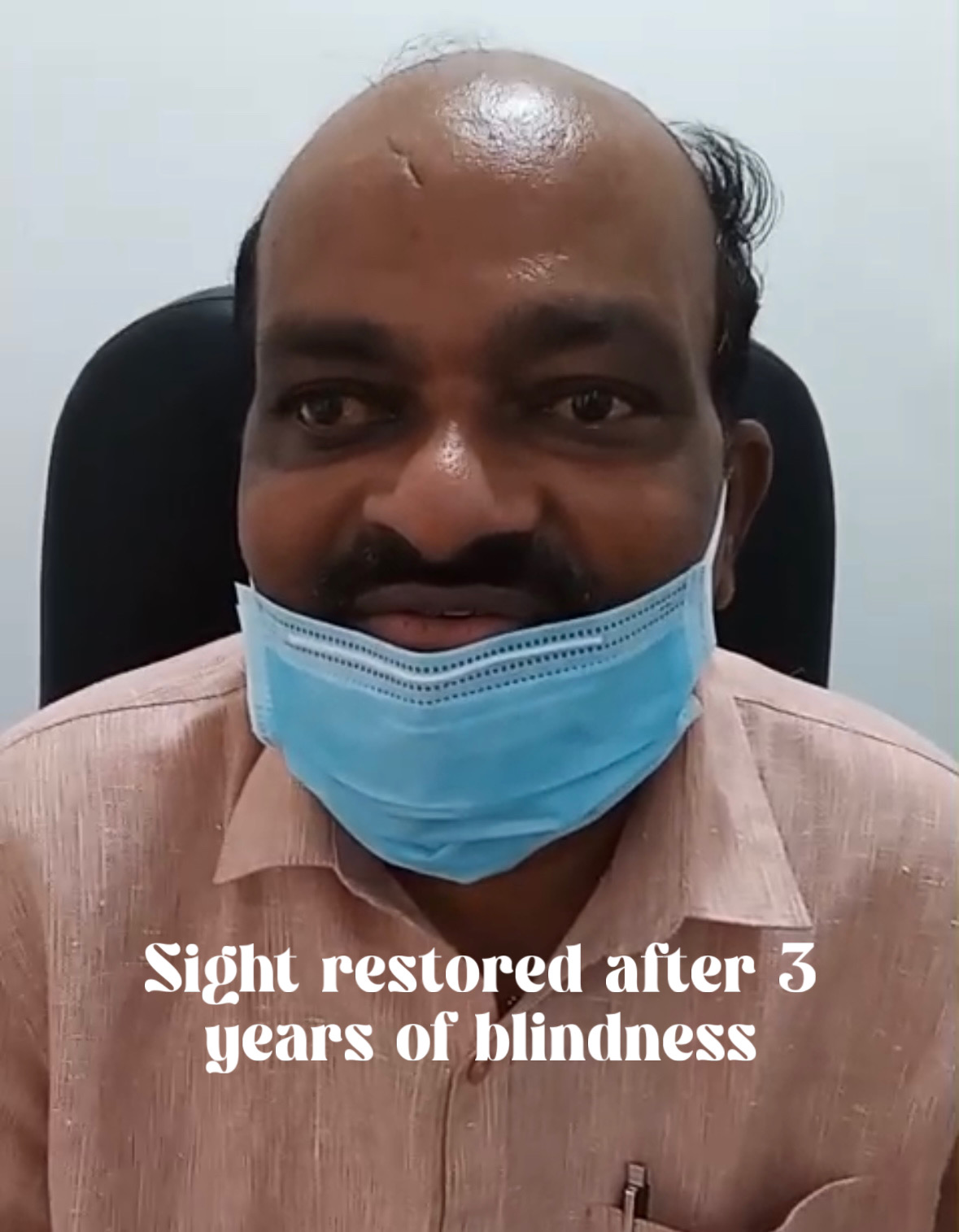
When Vision Returns After Three Years: A Remarkable Case at Advanced Retina Care Losing vision is one of the most devastating complications of diabetes. Many patients come to us after having undergone multiple procedures, often feeling that nothing more can be done. But sometimes, a fresh look — and a willingness to explore even small...Read More
EYE BLEEDS: What to do next? Bleeding inside the eye is often seen initially as red floaters. If bleeding is too much vision is completely lost. The condition of bleeding inside the vitreous cavity of the eye is called vitreous haemorrhage. All cases of bleeding require immediate evaluation. The cause of...Read More
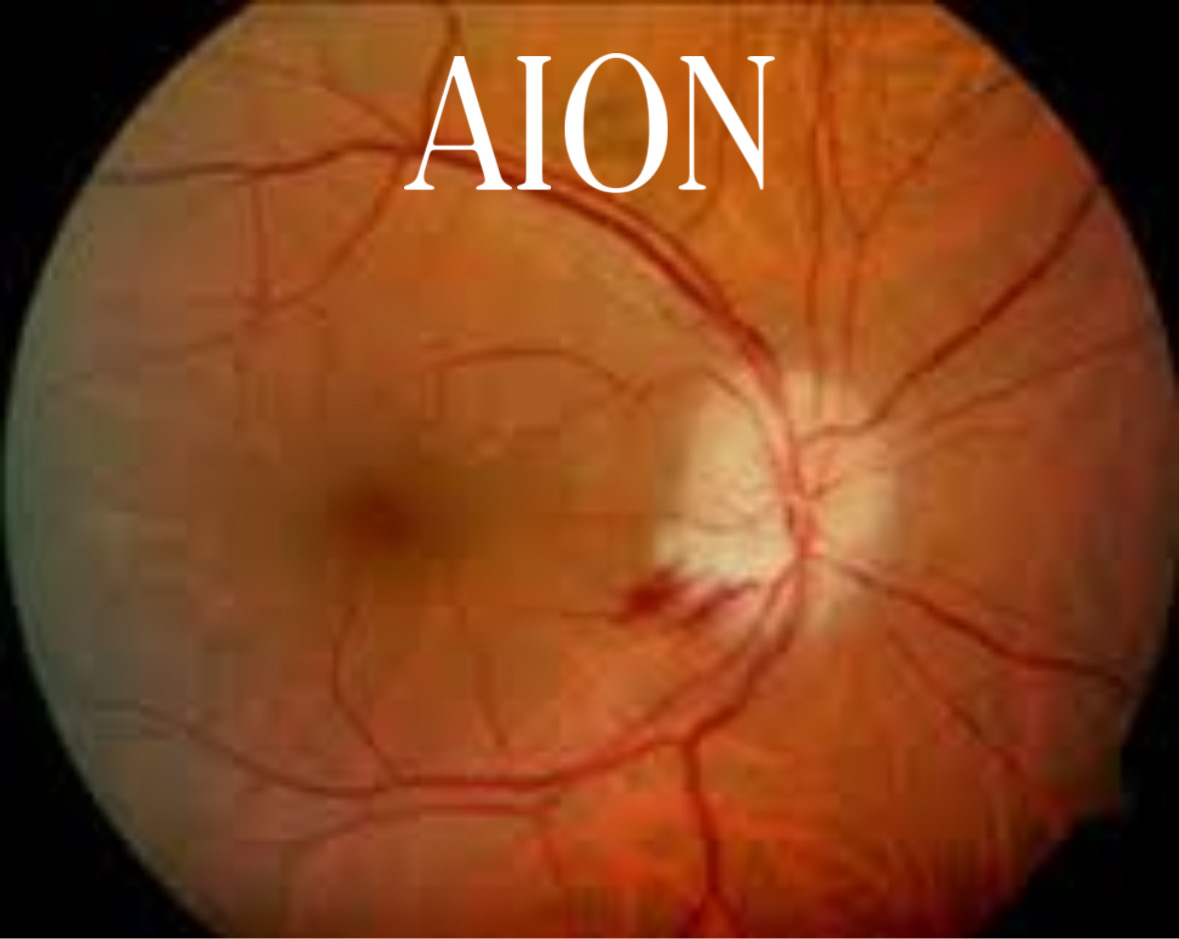
Anterior Ischemic Optic Neuropathy (AION) Overview Anterior Ischemic Optic Neuropathy (AION) is a medical condition characterized by sudden vision loss due to insufficient blood flow to the optic nerve head. This condition primarily affects adults and can lead to significant visual impairment. Types of AION AION is classified into two main types: Arteritic Anterior Ischemic...Read More
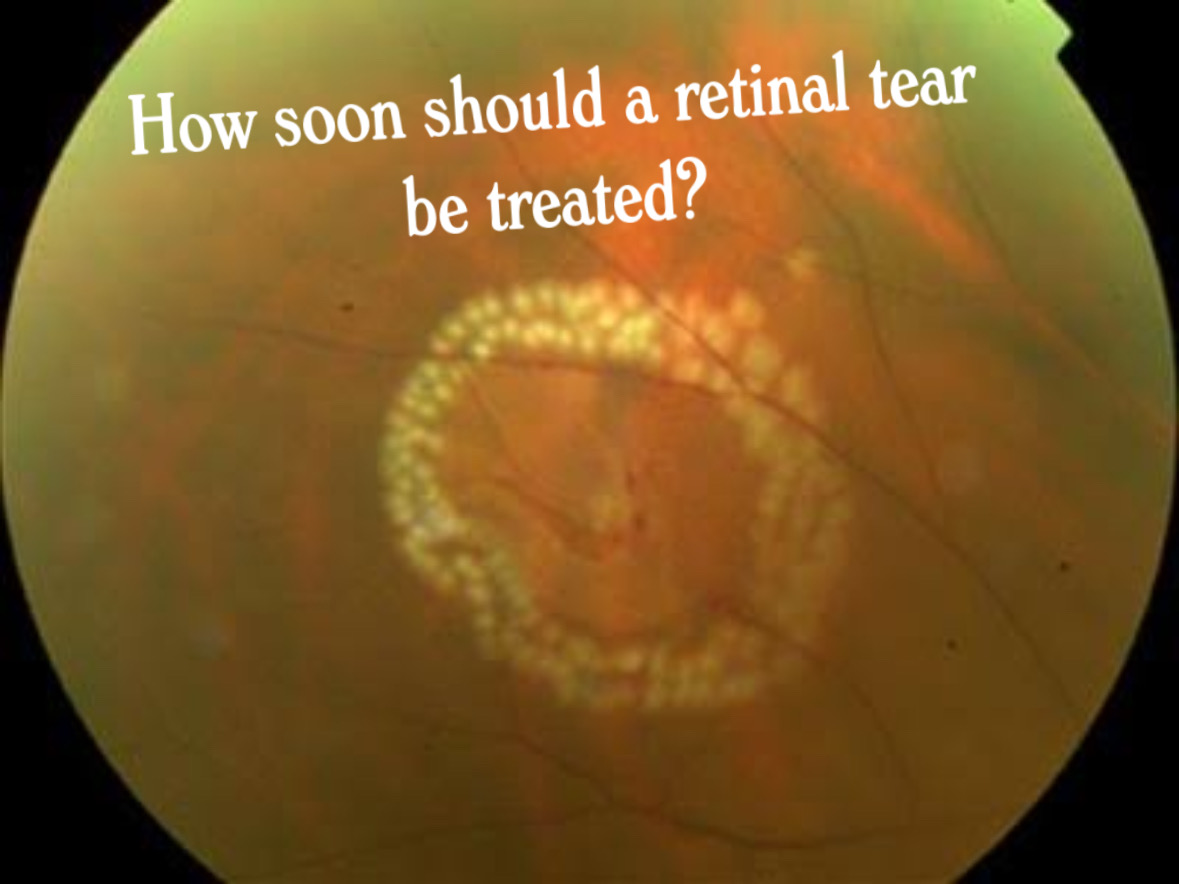
A retinal tear should be treated as soon as possible to prevent further complications, such as retinal detachment. Ideally, the treatment should occur within 24 to 48 hours of diagnosis. Prompt intervention can significantly reduce the risk of permanent vision loss. If you suspect a retinal tear or experience symptoms like flashes of...Read More
Treatments Available for Macular Degeneration Macular degeneration, specifically age-related macular degeneration (AMD), is a leading cause of vision loss among older adults. Several treatment options can help manage the condition, slow its progression, and improve the quality of life for those affected. This article explores the available treatments for macular degeneration, focusing on both dry...Read More
How often should people with diabetes get their eyes checked? Once a year at least! People with diabetes should have their eyes checked regularly to monitor for potential complications. Here are the general recommendations: Type 1 Diabetes: An eye exam should be conducted within five years of diagnosis, followed by annual exams. Type 2 Diabetes:...Read More
What is the treatment for retinal detachment? Retinal detachment is a serious eye condition that occurs when the retina pulls away from its supporting tissues. It is considered a medical emergency, as it can lead to permanent vision loss if not treated promptly. Here are the main treatments available for retinal detachment: Treatments...Read More
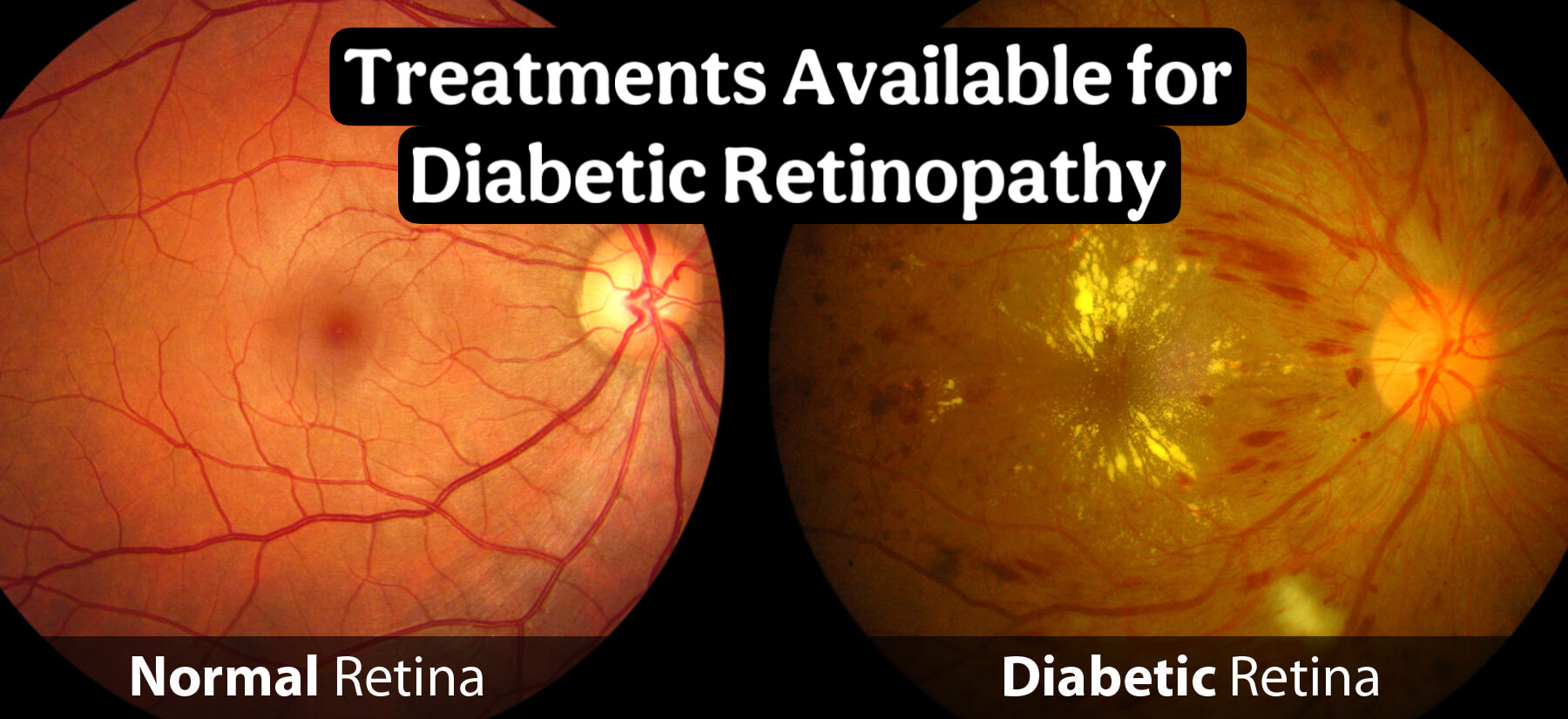
Treatments for Diabetic Retinopathy Diabetic retinopathy is a serious eye condition that affects individuals with diabetes, leading to potential vision loss if left untreated. It results from damage to the blood vessels of the retina due to high blood sugar levels. As the disease progresses, timely intervention becomes crucial to prevent severe complications. This article...Read More
What is Diabetic Retinopathy? Causes of Diabetic Retinopathy Diabetic retinopathy occurs due to prolonged high blood sugar levels that damage the blood vessels in the retina. The high glucose levels can lead to: Microaneurysms: Small bulges in the blood vessels that can leak fluid or blood. Retinal Ischemia: Reduced blood flow to the retina, causing...Read More
DO YOU SEE BLOOD INSIDE YOUR EYE? Bleeding inside the eye commonly causes vision loss. Blurry vision and finally total blindness occurs. This can be because of advanced diabetic retinopathy or a clot within the blood vessels of the retina called retinal vein occlusion. This is treatable with injections and/or surgery.Read More